
Shandrieka Vallare, LCSW
Texas · 17 yrs exp
Works with Stress, Anxiety / Relationship / Depression +8
Works by Acceptance and Commitment Therapy (ACT) / Client-Centered Therapy
View ProfileA Licensed Clinical Social Worker (LCSW) is a mental health professional who has completed graduate social work education and required supervised clinical experience to provide psychotherapy and related services. Browse verified LCSW therapist profiles below to learn about their focus areas, approaches, and client populations.
Texas · 17 yrs exp
Works with Stress, Anxiety / Relationship / Depression +8
Works by Acceptance and Commitment Therapy (ACT) / Client-Centered Therapy
View Profile
Texas · 39 yrs exp
Works with Stress, Anxiety / Relationship / Trauma and abuse +12
Works by Acceptance and Commitment Therapy (ACT) / Attachment-Based Therapy
View Profile
California · 12 yrs exp
Works with Stress, Anxiety / LGBT / Parenting +7
Works by Client-Centered Therapy / Cognitive Behavioral Therapy (CBT)
View Profile
Florida · 6 yrs exp
Works with Stress, Anxiety / Family / Trauma and abuse +14
Works by Client-Centered Therapy / Cognitive Behavioral Therapy (CBT)
View Profile
New Jersey · 22 yrs exp
Works with Stress, Anxiety / LGBT / Relationship +11
Works by Acceptance and Commitment Therapy (ACT) / Attachment-Based Therapy
View Profile
Florida · 20 yrs exp
Works with Stress, Anxiety / Trauma and abuse / Grief +10
Works by Cognitive Behavioral Therapy (CBT) / Motivational Interviewing
View Profile
Connecticut · 12 yrs exp
Works with Stress, Anxiety / Addictions / Family +14
Works by Acceptance and Commitment Therapy (ACT) / Client-Centered Therapy
View Profile
North Carolina · 10 yrs exp
Works with Stress, Anxiety / Family / Grief +13
Works by Acceptance and Commitment Therapy (ACT) / Attachment-Based Therapy
View Profile
Texas · 9 yrs exp
Works with Stress, Anxiety / Self esteem / Bipolar +10
Works by Acceptance and Commitment Therapy (ACT) / Attachment-Based Therapy
View Profile
Pennsylvania · 20 yrs exp
Works with Relationship / Family / Parenting +9
View Profile
Pennsylvania · 17 yrs exp
Works with Addictions / LGBT / Self esteem +11
Works by Client-Centered Therapy / Cognitive Behavioral Therapy (CBT)
View Profile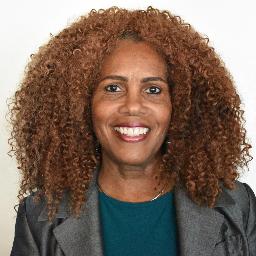
California · 22 yrs exp
Works with Stress, Anxiety / Anger / Self esteem +10
Works by Client-Centered Therapy / Cognitive Behavioral Therapy (CBT)
View Profile
Colorado · 20 yrs exp
Works with Stress, Anxiety / Relationship / Family +11
Works by Acceptance and Commitment Therapy (ACT) / Client-Centered Therapy
View Profile
Illinois · 40 yrs exp
Works with Stress, Anxiety / Family / Parenting +10
Works by Attachment-Based Therapy / Client-Centered Therapy
View Profile
Oklahoma · 20 yrs exp
Works with Stress, Anxiety / Family / Parenting +10
Works by Client-Centered Therapy / Cognitive Behavioral Therapy (CBT)
View Profile
Texas · 6 yrs exp
Works with Stress, Anxiety / Relationship / Trauma and abuse +15
Works by Acceptance and Commitment Therapy (ACT) / Attachment-Based Therapy
View Profile
Alabama · 3 yrs exp
Works with Relationship / Family / Grief +9
Works by Acceptance and Commitment Therapy (ACT) / Attachment-Based Therapy
View Profile
Mississippi · 51 yrs exp
Works with Stress, Anxiety / Relationship / Self esteem +16
Works by Acceptance and Commitment Therapy (ACT) / Attachment-Based Therapy
View Profile
North Carolina · 14 yrs exp
Works with Stress, Anxiety / Addictions / Self esteem +12
Works by Client-Centered Therapy / Cognitive Behavioral Therapy (CBT)
View Profile
Missouri · 16 yrs exp
Works with Stress, Anxiety / Trauma and abuse / Self esteem +13
Works by Client-Centered Therapy / Cognitive Behavioral Therapy (CBT)
View Profile
Colorado · 9 yrs exp
Works with Stress, Anxiety / Trauma and abuse / Parenting +2
View Profile
Illinois · 10 yrs exp · 2 languages
Works with Stress, Anxiety / Relationship / Family +14
Works by Acceptance and Commitment Therapy (ACT) / Attachment-Based Therapy
View Profile
North Carolina · 14 yrs exp
Works with Stress, Anxiety / Relationship / Family +13
Works by Client-Centered Therapy / Cognitive Behavioral Therapy (CBT)
View Profile
North Carolina · 36 yrs exp
Works with Stress, Anxiety / Relationship / Grief +13
Works by Acceptance and Commitment Therapy (ACT) / Attachment-Based Therapy
View Profile
Indiana · 4 yrs exp
Works with Stress, Anxiety / LGBT / Depression +1
View Profile
Utah · 7 yrs exp
Works with Addictions / Grief / Self esteem +10
Works by Client-Centered Therapy / Cognitive Behavioral Therapy (CBT)
View Profile
Maine · 5 yrs exp
Works with Stress, Anxiety / Anger / Self esteem +2
View Profile
Virginia · 47 yrs exp
Works with Stress, Anxiety / Relationship / Grief +11
Works by Acceptance and Commitment Therapy (ACT) / Client-Centered Therapy
View Profile
Louisiana · 12 yrs exp
Works with Stress, Anxiety / Anger / Self esteem +11
Works by Client-Centered Therapy / Cognitive Behavioral Therapy (CBT)
View Profile
New York · 25 yrs exp · 2 languages
Works with Stress, Anxiety / Addictions / Trauma and abuse +12
Works by Client-Centered Therapy / Cognitive Behavioral Therapy (CBT)
View Profile
Kentucky · 9 yrs exp
Works with Addictions / Relationship / Parenting +13
Works by Acceptance and Commitment Therapy (ACT) / Attachment-Based Therapy
View Profile
Florida · 40 yrs exp
Works with Stress, Anxiety / Family / Parenting +12
Works by Acceptance and Commitment Therapy (ACT) / Client-Centered Therapy
View Profile
Connecticut · 3 yrs exp
Works with Stress, Anxiety / Relationship / Grief +13
Works by Client-Centered Therapy / Cognitive Behavioral Therapy (CBT)
View Profile
Colorado · 10 yrs exp
Works with Stress, Anxiety / Grief / Depression +10
Works by Cognitive Behavioral Therapy (CBT) / Somatic Therapy
View Profile
Arizona · 40 yrs exp
Works with Stress, Anxiety / LGBT / Relationship +11
Works by Client-Centered Therapy / Cognitive Behavioral Therapy (CBT)
View Profile
Florida · 5 yrs exp
Works with Stress, Anxiety / Trauma and abuse / Depression +2
View Profile
Arkansas · 17 yrs exp
Works with Trauma and abuse / Anger / Self esteem +9
Works by Client-Centered Therapy / Cognitive Behavioral Therapy (CBT)
View Profile
Texas · 15 yrs exp
Works with Stress, Anxiety / Relationship / Trauma and abuse +13
Works by Acceptance and Commitment Therapy (ACT) / Attachment-Based Therapy
View Profile
Texas · 24 yrs exp · 2 languages
Works with Stress, Anxiety / LGBT / Self esteem +14
Works by Acceptance and Commitment Therapy (ACT) / Client-Centered Therapy
View Profile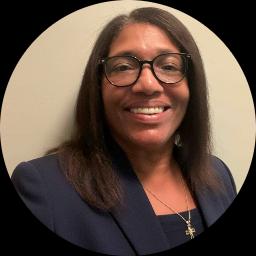
Mississippi · 36 yrs exp
Works with Family / Parenting / Anger +12
Works by Acceptance and Commitment Therapy (ACT) / Attachment-Based Therapy
View Profile
New York · 20 yrs exp
Works with Stress, Anxiety / Relationship / Family +11
Works by Client-Centered Therapy / Cognitive Behavioral Therapy (CBT)
View Profile
Wisconsin · 16 yrs exp
Works with Stress, Anxiety / Grief / Self esteem +13
Works by Client-Centered Therapy / Cognitive Behavioral Therapy (CBT)
View Profile
Nevada · 8 yrs exp
Works with Stress, Anxiety / Addictions / Relationship +16
Works by Acceptance and Commitment Therapy (ACT) / Attachment-Based Therapy
View Profile
Indiana · 8 yrs exp
Works with Stress, Anxiety / Family / Anger +2
View Profile
Texas · 21 yrs exp
Works with Stress, Anxiety / Relationship / Trauma and abuse +16
Works by Acceptance and Commitment Therapy (ACT) / Client-Centered Therapy
View Profile
Nevada · 32 yrs exp
Works with Stress, Anxiety / Relationship / Family +13
Works by Client-Centered Therapy / Cognitive Behavioral Therapy (CBT)
View Profile
Utah · 6 yrs exp
Works with Stress, Anxiety / Relationship / Depression +11
Works by Acceptance and Commitment Therapy (ACT) / Client-Centered Therapy
View Profile
Pennsylvania · 30 yrs exp
Works with Stress, Anxiety / Self esteem / Coping with life changes +2
Works by Client-Centered Therapy / Cognitive Behavioral Therapy (CBT)
View ProfileA Licensed Clinical Social Worker, often abbreviated as LCSW, is a clinician whose training centers on social work and clinical practice. To earn the credential you typically need a master of social work degree, a period of post-graduate supervised clinical experience, and passage of a state licensing examination. Licensing requirements vary by state, but they are designed to confirm that a clinician has completed advanced coursework in social work theory, ethics, human behavior, and clinical methods, as well as hands-on experience under supervision.
Because social work education emphasizes systems, community resources, and advocacy in addition to individual therapy, LCSWs often bring a broad perspective to clinical practice. That perspective can be helpful when you want a therapist who considers how family dynamics, workplace challenges, school systems, or community supports interact with mental health concerns. The LCSW credential signals a combination of graduate-level education and supervised clinical practice recognized by a state board.
As an LCSW, a therapist can provide psychotherapy and perform clinical assessments. You can work with an LCSW to address symptoms, explore life patterns, and develop coping strategies. While LCSWs perform many of the same psychotherapy tasks as other licensed professionals, their approach often includes attention to social and environmental factors that affect well-being. Psychologists, who typically hold a PhD or PsyD, may emphasize assessment and testing in addition to therapy. Licensed professional counselors and marriage and family therapists may have different educational backgrounds and areas of emphasis, though there is considerable overlap in the services each license holder provides.
One area where LCSWs are frequently involved is connecting you to services outside of therapy. LCSWs often work in settings that require collaboration with schools, medical providers, social service agencies, and community programs. If you need help navigating systems or accessing supports such as educational accommodations, workplace resources, or community programs, an LCSW may be able to assist with coordination and referrals while also offering therapy. Unlike medical prescribers, LCSWs generally do not prescribe medication, so medication management is typically handled by a psychiatrist, primary care provider, or psychiatric nurse prescriber when needed.
LCSW therapists often work across a wide range of clinical areas and client populations. Many list specialties such as ADHD, trauma, anxiety, depression, family and relationship issues, and life transitions. LCSWs may practice with children, adolescents, adults, older adults, or families, and you can find clinicians who emphasize work with particular populations such as parents, students, or neurodivergent adults. Because social work training highlights environmental and systemic factors, many LCSWs also focus on social determinants of health, including housing, employment, and access to community services.
When looking at approaches, you will see clinicians who list cognitive behavioral strategies, dialectical behavior concepts, psychodynamic perspectives, mindfulness, acceptance and commitment methods, narrative approaches, and trauma-focused modalities among their approaches. Profiles often state which populations a therapist commonly works with and the approaches they incorporate. Remember that seeing a modality listed on a profile indicates it is part of that clinician's approach, not necessarily completion of a specific certification program.
Verifying that someone holds an active LCSW license is an important step when you are researching therapists. Start with your state licensing board's online license lookup tool to confirm that the license is current and in good standing. Search by the clinician's name or license number to find public records about licensure status, any disciplinary history, and license expiration. Licensing boards post authoritative information because they are responsible for oversight and discipline within their jurisdiction.
Beyond the board lookup, you can review the clinician's listed education and professional biography on their profile, and you can ask the clinician directly about the state where they are licensed and the type of license they hold. If you have questions about what the licensing designation means in your state, the licensing board's website can provide details on specific requirements and protections related to practice.
Choosing an LCSW therapist can offer distinct advantages depending on what you want from therapy. Many people find that LCSWs provide an integrative approach that combines psychotherapy with attention to real-world needs and systems-level supports. If your concerns involve school, work, family systems, or access to community services, an LCSW may be especially attuned to coordinating supports and advocating for resource connections while also addressing clinical symptoms.
LCSWs commonly work in hospitals, community mental health centers, schools, independent practice, and social service agencies, which means they often have practical experience navigating systems that matter to clients. That background can help you get referrals, think through accommodations, or develop strategies that align with your daily life and responsibilities. The combination of clinical skills and a systems-oriented lens can make LCSWs a good fit for those who want therapy that considers both internal patterns and external circumstances.
When searching for an LCSW, start by thinking about the issues you want to address and the populations you identify with. Look for profiles that highlight experience or focus areas that match your goals, such as ADHD in adults, parenting support, school-related concerns, trauma, or mood conditions. Pay attention to the approaches a clinician lists and consider whether their described style aligns with how you prefer to work - for example, short-term skills-based work or longer-term exploratory therapy. Keep in mind that therapists often blend approaches to suit each person's needs.
Read clinician profiles carefully to get a sense of their experience, client focus, and how they describe their therapeutic style. When you contact a clinician for more information, prepare a few questions about how they typically structure sessions, what goals they prioritize with clients who present with similar concerns, and how they coordinate care with other professionals if needed. You can also ask about practical matters like session length, frequency, fees, and accepted payment methods. Trust your judgment about fit - a therapist's communication style, values, and approach should feel like a workable match for you. If you are exploring several options, comparing how clinicians describe their work and their populations can help you identify someone whose expertise and perspective align with the support you want.
Finding the right LCSW is about more than a credential. It is about how the clinician's approach, experience, and communication fit with your goals. Use licensing verification, read profiles, and ask thoughtful questions so you can make an informed choice about which LCSW might be the right match for your ADHD-related concerns and overall well-being.