
Tinna Palmer, LSCSW
Kansas · 7 yrs exp
Works with Stress, Anxiety / Addictions / Trauma and abuse +11
Works by Acceptance and Commitment Therapy (ACT) / Client-Centered Therapy
View ProfileA Licensed Specialist Clinical Social Worker (LSCSW) is a clinical social worker licensed to provide psychotherapy, assessment, and clinical case management. Browse the verified LSCSW therapist profiles below to compare approaches, specialties, languages, and experience.
Kansas · 7 yrs exp
Works with Stress, Anxiety / Addictions / Trauma and abuse +11
Works by Acceptance and Commitment Therapy (ACT) / Client-Centered Therapy
View Profile
Kansas · 41 yrs exp
Works with Stress, Anxiety / Trauma and abuse / Grief +17
Works by Acceptance and Commitment Therapy (ACT) / Attachment-Based Therapy
View Profile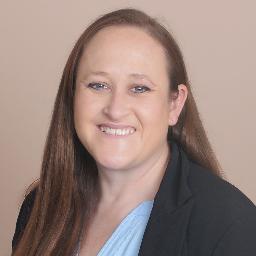
Kansas · 16 yrs exp
Works with Stress, Anxiety / Trauma and abuse / Depression +9
Works by Client-Centered Therapy / Cognitive Behavioral Therapy (CBT)
View Profile
Kansas · 30 yrs exp
Works with Relationship / Family / Grief +14
Works by Cognitive Behavioral Therapy (CBT) / Dialectical Behavior Therapy (DBT)
View Profile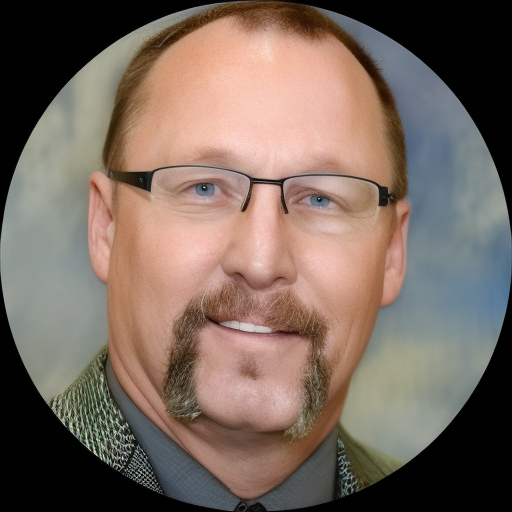
Kansas · 25 yrs exp
Works with Stress, Anxiety / Addictions / Relationship +2
View Profile
Kansas · 5 yrs exp
Works with Trauma and abuse / Self esteem / Coping with life changes +12
Works by Cognitive Behavioral Therapy (CBT) / Eye Movement Desensitization and Reprocessing (EMDR)
View Profile
Kansas · 8 yrs exp
Works with Stress, Anxiety / Family / Trauma and abuse +7
Works by Client-Centered Therapy / Cognitive Behavioral Therapy (CBT)
View Profile
Kansas · 7 yrs exp
Works with Stress, Anxiety / Relationship / Trauma and abuse +16
Works by Acceptance and Commitment Therapy (ACT) / Cognitive Behavioral Therapy (CBT)
View Profile
Missouri · 6 yrs exp
Works with Stress, Anxiety / LGBT / Trauma and abuse +12
Works by Acceptance and Commitment Therapy (ACT) / Client-Centered Therapy
View Profile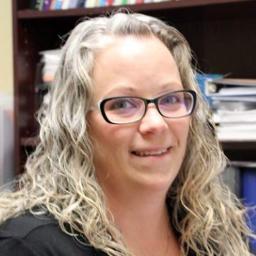
Kansas · 19 yrs exp
Works with Stress, Anxiety / Family / Trauma and abuse +9
Works by Client-Centered Therapy / Cognitive Behavioral Therapy (CBT)
View Profile
Kansas · 14 yrs exp
Works with Stress, Anxiety / Addictions / Family +10
Works by Cognitive Behavioral Therapy (CBT) / Motivational Interviewing
View Profile
Kansas · 18 yrs exp
Works with LGBT / Family / Trauma and abuse +14
Works by Cognitive Behavioral Therapy (CBT) / Dialectical Behavior Therapy (DBT)
View Profile
Kansas · 30 yrs exp
Works with Stress, Anxiety / Depression / ADHD
View Profile
Missouri · 19 yrs exp
Works with Stress, Anxiety / Relationship / Family +12
Works by Client-Centered Therapy / Cognitive Behavioral Therapy (CBT)
View Profile
Kansas · 12 yrs exp
Works with Relationship / Grief / Self esteem +10
Works by Client-Centered Therapy / Cognitive Behavioral Therapy (CBT)
View Profile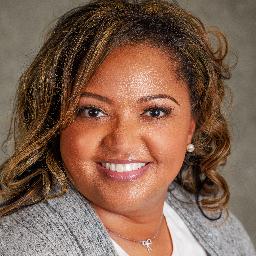
Kansas · 20 yrs exp
Works with Stress, Anxiety / Trauma and abuse / Parenting +14
Works by Client-Centered Therapy / Cognitive Behavioral Therapy (CBT)
View Profile
Kansas · 10 yrs exp
Works with Stress, Anxiety / Relationship / Family +13
Works by Cognitive Behavioral Therapy (CBT) / Emotionally-Focused Therapy (EFT)
View Profile
Kansas · 7 yrs exp
Works with Stress, Anxiety / Anger / Self esteem +15
Works by Acceptance and Commitment Therapy (ACT) / Client-Centered Therapy
View Profile
Kansas · 19 yrs exp
Works with Stress, Anxiety / Relationship / Family +15
Works by Acceptance and Commitment Therapy (ACT) / Attachment-Based Therapy
View Profile
Kansas · 40 yrs exp
Works with Stress, Anxiety / Addictions / LGBT +17
Works by Client-Centered Therapy / Cognitive Behavioral Therapy (CBT)
View Profile
Kansas · 22 yrs exp
Works with Stress, Anxiety / Relationship / Trauma and abuse +15
Works by Client-Centered Therapy / Cognitive Behavioral Therapy (CBT)
View Profile
Missouri · 14 yrs exp
Works with Stress, Anxiety / Bipolar / Depression +9
Works by Client-Centered Therapy / Cognitive Behavioral Therapy (CBT)
View Profile
Kansas · 15 yrs exp
Works with Stress, Anxiety / Relationship / Trauma and abuse +6
Works by Cognitive Behavioral Therapy (CBT) / Dialectical Behavior Therapy (DBT)
View Profile
Texas · 23 yrs exp
Works with Stress, Anxiety / Anger / Self esteem +2
Works by Cognitive Behavioral Therapy (CBT) / Solution-Focused Therapy
View Profile
Kansas · 26 yrs exp
Works with Stress, Anxiety / Family / Trauma and abuse +11
Works by Attachment-Based Therapy / Client-Centered Therapy
View Profile
Missouri · 28 yrs exp
Works with Stress, Anxiety / Self esteem / Depression +16
Works by Client-Centered Therapy / Cognitive Behavioral Therapy (CBT)
View Profile
Kansas · 5 yrs exp · 2 languages
Works with Stress, Anxiety / Trauma and abuse / Anger +12
Works by Client-Centered Therapy / Cognitive Behavioral Therapy (CBT)
View Profile
Kansas · 8 yrs exp
Works with Addictions / Relationship / Family +13
Works by Attachment-Based Therapy / Client-Centered Therapy
View Profile
Kansas · 20 yrs exp
Works with Stress, Anxiety / Family / Trauma and abuse +11
Works by Attachment-Based Therapy / Client-Centered Therapy
View Profile
Kansas · 12 yrs exp
Works with Stress, Anxiety / Grief / Anger +17
Works by Cognitive Behavioral Therapy (CBT)
View Profile
Kansas · 10 yrs exp
Works with Stress, Anxiety / Relationship / Trauma and abuse +17
Works by Attachment-Based Therapy / Client-Centered Therapy
View Profile
Kansas · 12 yrs exp
Works with Stress, Anxiety / Trauma and abuse / Self esteem +11
Works by Acceptance and Commitment Therapy (ACT) / Client-Centered Therapy
View Profile
Kansas · 15 yrs exp
Works with Stress, Anxiety / Trauma and abuse / Grief +15
Works by Client-Centered Therapy / Cognitive Behavioral Therapy (CBT)
View Profile
Missouri · 10 yrs exp
Works with Stress, Anxiety / Relationship / Trauma and abuse +11
Works by Attachment-Based Therapy / Client-Centered Therapy
View Profile
Kansas · 16 yrs exp
Works with Stress, Anxiety / Relationship / Intimacy-related issues +17
Works by Client-Centered Therapy / Cognitive Behavioral Therapy (CBT)
View Profile
Missouri · 25 yrs exp
Works with Stress, Anxiety / Relationship / Trauma and abuse +17
Works by Client-Centered Therapy / Cognitive Behavioral Therapy (CBT)
View Profile
Kansas · 7 yrs exp
Works with Stress, Anxiety / Family / Trauma and abuse +10
Works by Client-Centered Therapy / Cognitive Behavioral Therapy (CBT)
View Profile
Kansas · 13 yrs exp
Works with Stress, Anxiety / Trauma and abuse / Self esteem +14
Works by Acceptance and Commitment Therapy (ACT) / Client-Centered Therapy
View Profile
Kansas · 12 yrs exp
Works with Stress, Anxiety / LGBT / Self esteem +14
Works by Dialectical Behavior Therapy (DBT) / Existential Therapy
View Profile
Missouri · 6 yrs exp
Works with Stress, Anxiety / Trauma and abuse / Parenting +17
Works by Acceptance and Commitment Therapy (ACT) / Client-Centered Therapy
View Profile
Kansas · 33 yrs exp
Works with Stress, Anxiety / Parenting / Anger +2
View Profile
Kansas · 10 yrs exp
Works with Stress, Anxiety / Trauma and abuse / Self esteem +11
Works by Attachment-Based Therapy / Client-Centered Therapy
View Profile
Missouri · 21 yrs exp
Works with Stress, Anxiety / LGBT / Relationship +11
Works by Client-Centered Therapy / Cognitive Behavioral Therapy (CBT)
View Profile
Kansas · 30 yrs exp
Works with Stress, Anxiety / Parenting / ADHD +11
View Profile
Missouri · 16 yrs exp
Works with Stress, Anxiety / LGBT / Family +14
Works by Attachment-Based Therapy / Cognitive Behavioral Therapy (CBT)
View Profile
Ohio · 26 yrs exp
Works with Stress, Anxiety / Addictions / Grief +12
Works by Acceptance and Commitment Therapy (ACT) / Attachment-Based Therapy
View Profile
Missouri · 3 yrs exp
Works with Stress, Anxiety / Self esteem / Bipolar +13
Works by Client-Centered Therapy / Cognitive Behavioral Therapy (CBT)
View Profile
Missouri · 3 yrs exp
Works with Stress, Anxiety / LGBT / Trauma and abuse +16
Works by Client-Centered Therapy / Cognitive Behavioral Therapy (CBT)
View ProfileWhen you see the LSCSW designation you are looking at a clinician who completed a Master of Social Work or equivalent graduate degree and then pursued post-graduate supervised clinical experience required by the licensing authority in their state. That period of supervised practice typically emphasizes assessment, diagnosis, treatment planning, and psychotherapeutic work with individuals, families, and groups. After completing supervised hours, the clinician must pass the relevant licensing examination and meet any continuing education requirements established by their state board. The LSCSW credential signals that a social worker has met these educational and regulatory milestones and is authorized by their state to provide clinical social work services.
Because licensure rules vary across states, the exact pathway to LSCSW may differ somewhat depending on where a clinician practices. The common elements are graduate-level social work education, focused clinical supervision, and successful completion of licensure testing and administrative steps. These elements are intended to ensure a foundation in clinical skills along with an understanding of ethical practice and local regulatory standards.
LSCSW therapists are qualified to conduct mental health assessments, diagnose behavioral health conditions where state law allows, deliver psychotherapy, and provide clinical case management. Their training emphasizes a systems-oriented perspective that considers the person within family, school, work, and community contexts. That orientation often leads LSCSWs to integrate attention to social determinants, community resources, and practical supports into their clinical work.
Compared with some other license types, an LSCSW brings social work methods as a central framework - linking therapeutic interventions with advocacy, resource navigation, and coordination with other services when needed. You may find overlap between the work of LSCSWs and that of psychologists, professional counselors, or marriage and family therapists, but differences often show in educational background and emphasis. For example, LSCSWs may place particular emphasis on connecting clients with community services, addressing social or environmental contributors to distress, and applying a broad ecological view while providing psychotherapy.
LSCSW clinicians commonly work with individuals experiencing ADHD-related challenges, mood disorders, anxiety, trauma responses, relationship difficulties, and life transitions such as parenting or career change. You will also find LSCSWs focusing on behavioral health across the lifespan, including child, adolescent, adult, and older adult services. Their background makes them well-suited to address problems that intersect with family dynamics, school systems, workplace concerns, and public benefits or community resources.
Some LSCSWs list therapeutic approaches such as cognitive-behavioral methods, trauma-informed care, family systems perspectives, or strengths-based practice among their approaches. When a clinician lists an approach, that indicates they use that method in their work; it does not confirm formal certification or standardized training beyond what they report. If a particular approach or specialization matters to you, you can use the profile to see which clinicians mention that approach and learn more about how they describe applying it in practice.
To verify an LSCSW, begin with the licensing board in the state where the clinician practices. Most state social work boards offer an online license lookup where you can search by name or license number to confirm that the license is active and view any public disciplinary actions. If you prefer direct conversation, you can request the clinician's license number from their profile or contact them to ask for it, then use that number with the state board lookup tool. Additional verification steps include checking the clinician's listed educational institution and graduation year if provided, and reviewing whether any public board actions or restrictions are noted in the board record.
Keep in mind that licensing board information is the authoritative source for current licensure status. You may also want to ask a clinician about the populations and presentations they most often work with, and whether they have ongoing professional development in areas relevant to your needs. When a clinician lists specific approaches or specialties, you can ask how those methods are applied in sessions and whether they frequently work with clients who have challenges similar to yours.
Choosing an LSCSW can offer several practical benefits depending on your needs. LSCSWs are trained to consider the broader context around emotional and behavioral concerns, which can be especially helpful if your situation involves school systems, workplace issues, family dynamics, or public services. Their skill set often includes case management, resource coordination, and advocacy skills that can be useful when social or environmental factors contribute to distress.
Clinically, LSCSWs bring psychotherapeutic skills that address mood, attention, trauma, and relationship issues. You may find they blend talk therapy with solution-focused planning and connection to community supports. If you are seeking therapy that integrates attention to both personal coping strategies and the social context that shapes daily life, a clinician with an LSCSW credential may match those needs. Remember that a therapist's individual approach, experience, and the therapeutic relationship itself are central to how helpful therapy will be for you.
When you look through LSCSW profiles, focus on the details that matter to you: the populations they describe working with, stated specialties such as ADHD or trauma, the therapeutic approaches they mention, languages spoken, and whether they describe experience with settings that matter to your situation such as schools or family therapy. Use profile descriptions to narrow your options and plan a brief introductory conversation so you can ask about their experience with concerns like yours. In that conversation you might ask how they typically structure sessions, which outcomes they work toward with clients, and how they approach coordination with other professionals such as educators or medical providers if that is relevant.
Consider practical preferences as well. Think about whether you want in-person sessions, remote sessions, shorter or longer session lengths, and the cultural or linguistic match that helps you feel understood. It is reasonable to ask a clinician about how they support clients who have ADHD or related attention challenges and whether they have experience working with family members or support networks. Pay attention to how they communicate about their methods and whether you feel heard in initial interactions. Finding the right match often comes down to both clinical fit and feeling comfortable with the way a clinician explains their approach.
Choosing a therapist is a personal decision. Use the LSCSW profiles to gather information, verify licensure through the appropriate state board, and reach out to clinicians who align with your priorities. Clear questions and an initial conversation can help you determine whether a clinician's style, experience, and approach feel like a good fit for your path forward.