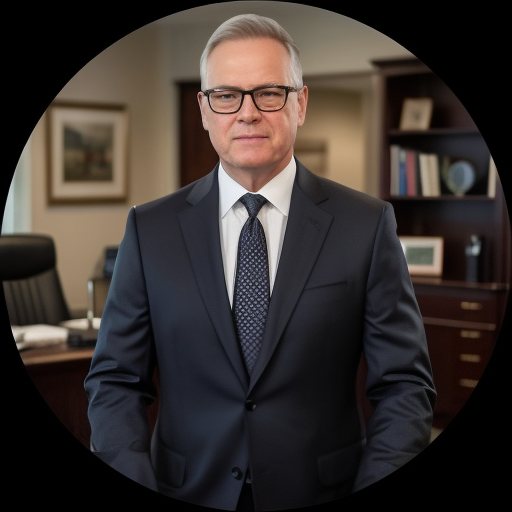
Dr. Edward Varner, LPC-MHSP
Tennessee · 30 yrs exp · 2 languages
Works with Relationship / Trauma and abuse / Self esteem +14
Works by Acceptance and Commitment Therapy (ACT) / Attachment-Based Therapy
View ProfileA Licensed Professional Counselor - Mental Health Service Provider (LPC-MHSP) is a state credential for counselors who have completed graduate education and supervised clinical experience. Browse the verified LPC-MHSP therapists listed below to review credentials, approaches, languages, and practice focus areas.
Tennessee · 30 yrs exp · 2 languages
Works with Relationship / Trauma and abuse / Self esteem +14
Works by Acceptance and Commitment Therapy (ACT) / Attachment-Based Therapy
View Profile
Tennessee · 10 yrs exp
Works with Addictions / Relationship / Trauma and abuse +12
View Profile
Oklahoma · 22 yrs exp
Works with Stress, Anxiety / Relationship / Family +15
Works by Client-Centered Therapy
View Profile
Tennessee · 30 yrs exp
Works with Stress, Anxiety / LGBT / Grief +17
Works by Client-Centered Therapy / Cognitive Behavioral Therapy (CBT)
View Profile
Tennessee · 3 yrs exp
Works with LGBT / Relationship / Coping with life changes +1
Works by Emotionally-Focused Therapy (EFT) / Narrative Therapy
View Profile
Tennessee · 12 yrs exp
Works with Trauma and abuse / Eating / Bipolar +2
Works by Acceptance and Commitment Therapy (ACT) / Cognitive Behavioral Therapy (CBT)
View Profile
Tennessee · 6 yrs exp
Works with Stress, Anxiety / Trauma and abuse / Grief +2
View Profile
Tennessee · 6 yrs exp
Works with Stress, Anxiety / Trauma and abuse / Parenting +9
Works by Client-Centered Therapy / Cognitive Behavioral Therapy (CBT)
View Profile
Tennessee · 7 yrs exp · 2 languages
Works with Stress, Anxiety / Trauma and abuse / Bipolar +16
Works by Cognitive Behavioral Therapy (CBT) / Dialectical Behavior Therapy (DBT)
View Profile
Tennessee · 9 yrs exp
Works with Stress, Anxiety / Grief / Depression +13
Works by Acceptance and Commitment Therapy (ACT) / Client-Centered Therapy
View Profile
Tennessee · 9 yrs exp
Works with Stress, Anxiety / Trauma and abuse / Anger +8
Works by Attachment-Based Therapy / Client-Centered Therapy
View Profile
Georgia · 14 yrs exp
Works with Stress, Anxiety / Relationship / Trauma and abuse +13
Works by Client-Centered Therapy / Dialectical Behavior Therapy (DBT)
View Profile
Tennessee · 8 yrs exp
Works with Stress, Anxiety / Anger / Self esteem +13
Works by Client-Centered Therapy / Cognitive Behavioral Therapy (CBT)
View Profile
Tennessee · 28 yrs exp
Works with Stress, Anxiety / Trauma and abuse / Self esteem +2
Works by Acceptance and Commitment Therapy (ACT) / Client-Centered Therapy
View Profile
Tennessee · 24 yrs exp
Works with Stress, Anxiety / Trauma and abuse / Parenting +9
Works by Acceptance and Commitment Therapy (ACT) / Cognitive Behavioral Therapy (CBT)
View Profile
Tennessee · 38 yrs exp
Works with Addictions / Self esteem / Depression +15
Works by Client-Centered Therapy / Hypnotherapy
View Profile
Tennessee · 4 yrs exp
Works with Addictions / Relationship / Trauma and abuse +13
Works by Client-Centered Therapy / Cognitive Behavioral Therapy (CBT)
View Profile
Tennessee · 6 yrs exp
Works with Stress, Anxiety / Grief / Depression +14
Works by Acceptance and Commitment Therapy (ACT) / Cognitive Behavioral Therapy (CBT)
View Profile
Tennessee · 8 yrs exp
Works with Addictions / Trauma and abuse / Grief +13
Works by Client-Centered Therapy / Cognitive Behavioral Therapy (CBT)
View Profile
Tennessee · 12 yrs exp
Works with Stress, Anxiety / Addictions / Relationship +9
Works by Client-Centered Therapy / Cognitive Behavioral Therapy (CBT)
View Profile
Tennessee · 18 yrs exp
Works with Stress, Anxiety / Relationship / Trauma and abuse +8
Works by Attachment-Based Therapy / Client-Centered Therapy
View Profile
Florida · 25 yrs exp
Works with Stress, Anxiety / Addictions / LGBT +15
Works by Acceptance and Commitment Therapy (ACT) / Attachment-Based Therapy
View Profile
Tennessee · 11 yrs exp
Works with Stress, Anxiety / Trauma and abuse / Self esteem +15
Works by Acceptance and Commitment Therapy (ACT) / Attachment-Based Therapy
View Profile
Tennessee · 13 yrs exp
Works with Stress, Anxiety / Addictions / LGBT +12
View Profile
Mississippi · 6 yrs exp
Works with Stress, Anxiety / Trauma and abuse / Grief +10
Works by Cognitive Behavioral Therapy (CBT) / Dialectical Behavior Therapy (DBT)
View Profile
Tennessee · 19 yrs exp
Works with Stress, Anxiety / Self esteem / Coping with life changes +14
Works by Client-Centered Therapy / Cognitive Behavioral Therapy (CBT)
View Profile
Tennessee · 15 yrs exp
Works with Stress, Anxiety / Trauma and abuse / Eating +10
Works by Client-Centered Therapy / Cognitive Behavioral Therapy (CBT)
View Profile
Alabama · 16 yrs exp
Works with Stress, Anxiety / Addictions / Trauma and abuse +14
Works by Acceptance and Commitment Therapy (ACT) / Client-Centered Therapy
View Profile
Tennessee · 12 yrs exp
Works with Stress, Anxiety / Trauma and abuse / Self esteem +15
View Profile
Tennessee · 10 yrs exp
Works with Stress, Anxiety / Relationship / Trauma and abuse +17
Works by Acceptance and Commitment Therapy (ACT) / Client-Centered Therapy
View Profile
Tennessee · 16 yrs exp
Works with Stress, Anxiety / Intimacy-related issues / Parenting +2
View Profile
Tennessee · 5 yrs exp
Works with Stress, Anxiety / Trauma and abuse / Parenting +5
Works by Attachment-Based Therapy / Cognitive Behavioral Therapy (CBT)
View Profile
Tennessee · 4 yrs exp
Works with Stress, Anxiety / Addictions / Relationship +2
View Profile
Tennessee · 9 yrs exp
Works with Relationship / Trauma and abuse / Depression +2
Works by Client-Centered Therapy / Cognitive Behavioral Therapy (CBT)
View Profile
Tennessee · 11 yrs exp
Works with Stress, Anxiety / Relationship / Trauma and abuse +11
Works by Acceptance and Commitment Therapy (ACT) / Client-Centered Therapy
View Profile
Georgia · 7 yrs exp
Works with Stress, Anxiety / Relationship / Family +12
Works by Cognitive Behavioral Therapy (CBT) / Dialectical Behavior Therapy (DBT)
View ProfileWhen you see the LPC-MHSP designation it means a counselor has met specific educational and supervised practice requirements defined by their state licensing board. Typically that begins with a master’s degree or higher in counseling, psychology, or a closely related field, followed by several years of supervised clinical experience. The LPC-MHSP label indicates that the counselor completed the coursework, clinical hours, and licensing exams required to practice as a professional counselor and also met additional criteria to be authorized as a mental health service provider in that jurisdiction.
You can expect that someone who lists LPC-MHSP completed graduate-level training that covered counseling theory, assessment, ethics, and intervention strategies. That education is paired with a period of supervised practice, where the counselor works under the oversight of an experienced supervisor and receives feedback on clinical skills. Licensing exams evaluate knowledge of professional practice and applicable laws. The combination of degree, supervised hours, and licensure aims to ensure a baseline of professional preparation for offering mental health care.
LPC-MHSP counselors are qualified to provide mental health assessment, individual psychotherapy, couples or family counseling when within their scope, and case conceptualization for a range of emotional and behavioral concerns. Their scope overlaps with other licensed professionals, but there are distinctions shaped by education, training focus, and state rules. For example, psychologists often have doctoral training with extensive training in psychological testing and research, while marriage and family therapists typically emphasize systemic and relational models. Clinical social workers bring a social work perspective and training in community systems.
Because LPC-MHSP is rooted in counseling education, you will frequently find these counselors working with lifespan issues, developmental concerns, and behavioral strategies. In many states LPC-MHSP professionals diagnose mental health conditions, provide psychotherapy, and coordinate care with other providers. If you have questions about the precise legal scope for LPC-MHSP in your state - for instance whether certain supervised services or billing classifications apply - the state licensing board defines the official boundaries. Understanding these differences can help you choose a clinician whose training aligns with your needs.
LPC-MHSP counselors often develop areas of specialty that reflect their interests and the populations they have served. Many list focus areas such as ADHD across the lifespan, anxiety, depression, relationship difficulties, transitional life stages, and behavioral regulation. You will also find LPC-MHSP therapists who work with children, teens, adults, older adults, and families. Because diagnosis and developmental presentation vary, a counselor’s approaches are often tailored to the age and life context of the person seeking help.
Profiles often indicate the therapeutic approaches a counselor uses. For example, you may find therapists who list cognitive behavioral therapy among their approaches, therapists who list mindfulness-based approaches among their approaches, or those who list family systems among their approaches. Listing an approach on a profile does not assert formal certification; it indicates the methods the clinician uses in practice. If a particular method matters to you, look for profiles that describe how the approach is applied to ADHD and related concerns, and prepare questions to ask a counselor about how they use particular techniques with people who have attention and executive function differences.
Verifying a credential is an important step when you are evaluating potential counselors. The most reliable source is the public database maintained by your state licensing board. These online registries typically let you search by name or license number to confirm a counselor’s license type, current status, expiration date, and any disciplinary history. You can also check whether the LPC-MHSP endorsement is listed on the official record and review the dates associated with the license.
Start by locating the licensing board for the state where the counselor practices. Use the board’s license lookup tool to confirm that the LPC-MHSP designation is active. If you encounter unfamiliar terminology or can’t find the exact endorsement, the board’s contact information is usually available and staff can clarify credential codes. Remember that online directory profiles may be out of date, so cross-referencing the board record is the most direct way to verify the credential and any limitations on practice.
Choosing a counselor with an LPC-MHSP credential has practical advantages if you want someone trained in counseling theory and clinical practice who meets state licensure requirements as a mental health service provider. Many people seeking help for ADHD prefer counselors who understand attention differences, executive functioning strategies, and practical interventions for daily challenges. A counselor who lists ADHD among their focus areas can often offer structured approaches and behavioral supports that make symptom management and skill-building more manageable in day-to-day life.
Finding the right counselor is about fit as much as credentials. Read profiles closely to learn about a counselor’s focus areas, approaches, and the populations they serve. Look for language that resonates with your priorities - whether you want help with organization, time management, co-occurring anxiety, or relationship patterns impacted by attention differences. Consider practical factors too, such as the languages the clinician speaks, the age ranges they serve, and whether they describe experience supporting people with ADHD. When you reach out, prepare a few questions about how they approach ADHD-related concerns so you can get a sense of their style and whether it aligns with what you want.
Think about the context in which you hope to work - whether you prefer short-term, skills-based interventions or longer-term therapy that addresses broader life patterns. If coordination with other professionals matters - for example with a primary care provider, school, or psychiatrist - ask how the counselor typically communicates and collaborates. If language access is important, search for counselors who list the language you need. Finally, keep in mind that a profile provides an overview; an initial conversation is the best way to assess whether a counselor’s approach, communication style, and experience feel like a good match for you.
Choosing a counselor is a personal decision, and confirming credentials like LPC-MHSP is a practical step toward informed care. Use the profiles below to learn more about each counselor’s background, approaches, and areas of focus so you can find someone whose expertise and style align with your ADHD-related goals and preferences.