
Paulette Plummer, LCSW, LISW-CP
North Carolina · 26 yrs exp
Works with Stress, Anxiety / Relationship / Family +10
Works by Client-Centered Therapy / Cognitive Behavioral Therapy (CBT)
View ProfileA Licensed Independent Social Worker - Clinical Practice (LISW-CP) is a clinical social worker who has completed a master of social work, supervised clinical hours, and state licensure for independent practice. Browse the verified LISW-CP therapists listed below to find clinicians who report experience working with ADHD and related concerns.
North Carolina · 26 yrs exp
Works with Stress, Anxiety / Relationship / Family +10
Works by Client-Centered Therapy / Cognitive Behavioral Therapy (CBT)
View Profile
North Carolina · 10 yrs exp
Works with Stress, Anxiety / Relationship / Family +17
Works by Acceptance and Commitment Therapy (ACT) / Client-Centered Therapy
View Profile
South Carolina · 16 yrs exp
Works with Stress, Anxiety / Relationship / Family +11
View Profile
North Carolina · 13 yrs exp
Works with Stress, Anxiety / Addictions / Grief +12
Works by Acceptance and Commitment Therapy (ACT) / Attachment-Based Therapy
View Profile
North Carolina · 15 yrs exp
Works with Stress, Anxiety / Grief / Depression +2
View Profile
South Carolina · 22 yrs exp
Works with Stress, Anxiety / Anger / Depression +16
View Profile
South Carolina · 20 yrs exp
Works with Stress, Anxiety / Addictions / Trauma and abuse +16
Works by Acceptance and Commitment Therapy (ACT) / Client-Centered Therapy
View Profile
North Carolina · 23 yrs exp
Works with Stress, Anxiety / Relationship / Grief +13
Works by Acceptance and Commitment Therapy (ACT) / Client-Centered Therapy
View Profile
Georgia · 4 yrs exp
Works with Stress, Anxiety / Grief / Self esteem +13
Works by Attachment-Based Therapy / Client-Centered Therapy
View Profile
South Carolina · 7 yrs exp
Works with Stress, Anxiety / Relationship / Grief +13
Works by Client-Centered Therapy / Cognitive Behavioral Therapy (CBT)
View Profile
South Carolina · 41 yrs exp
Works with Stress, Anxiety / Relationship / Family +13
Works by Client-Centered Therapy / Cognitive Behavioral Therapy (CBT)
View Profile
South Carolina · 10 yrs exp
Works with Stress, Anxiety / Relationship / Trauma and abuse +10
Works by Client-Centered Therapy / Cognitive Behavioral Therapy (CBT)
View Profile
South Carolina · 12 yrs exp
Works with Stress, Anxiety / Depression / Coping with life changes +10
Works by Cognitive Behavioral Therapy (CBT)
View Profile
South Carolina · 13 yrs exp
Works with Stress, Anxiety / Trauma and abuse / Grief +5
Works by Client-Centered Therapy / Cognitive Behavioral Therapy (CBT)
View Profile
North Carolina · 20 yrs exp
Works with Stress, Anxiety / Trauma and abuse / Anger +11
Works by Client-Centered Therapy / Cognitive Behavioral Therapy (CBT)
View Profile
North Carolina · 6 yrs exp
Works with Stress, Anxiety / Family / Trauma and abuse +11
Works by Client-Centered Therapy / Cognitive Behavioral Therapy (CBT)
View Profile
Pennsylvania · 29 yrs exp
Works with Stress, Anxiety / Trauma and abuse / Career +11
Works by Client-Centered Therapy / Cognitive Behavioral Therapy (CBT)
View Profile
South Carolina · 3 yrs exp
Works with Stress, Anxiety / Trauma and abuse / Parenting +2
View Profile
South Carolina · 6 yrs exp
Works with Stress, Anxiety / Family / Grief +9
Works by Client-Centered Therapy / Cognitive Behavioral Therapy (CBT)
View Profile
South Carolina · 9 yrs exp
Works with Stress, Anxiety / Relationship / Family +12
Works by Client-Centered Therapy / Cognitive Behavioral Therapy (CBT)
View Profile
South Carolina · 14 yrs exp
Works with Stress, Anxiety / Relationship / Self esteem +14
Works by Client-Centered Therapy / Cognitive Behavioral Therapy (CBT)
View Profile
North Carolina · 26 yrs exp
Works with Relationship / Family / Anger +15
Works by Client-Centered Therapy / Cognitive Behavioral Therapy (CBT)
View Profile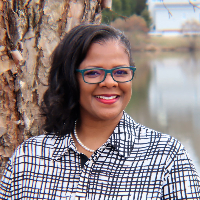
North Carolina · 10 yrs exp
Works with Stress, Anxiety / Family / Trauma and abuse +13
Works by Cognitive Behavioral Therapy (CBT) / Existential Therapy
View Profile
South Carolina · 25 yrs exp
Works with Stress, Anxiety / LGBT / Relationship +3
Works by Acceptance and Commitment Therapy (ACT) / Attachment-Based Therapy
View Profile
South Carolina · 20 yrs exp
Works with Stress, Anxiety / Self esteem / Career +12
Works by Client-Centered Therapy / Cognitive Behavioral Therapy (CBT)
View Profile
South Carolina · 32 yrs exp
Works with Stress, Anxiety / Family / Trauma and abuse +12
Works by Attachment-Based Therapy / Cognitive Behavioral Therapy (CBT)
View Profile
South Carolina · 10 yrs exp
Works with Stress, Anxiety / Grief / Self esteem +9
Works by Client-Centered Therapy / Cognitive Behavioral Therapy (CBT)
View Profile
South Carolina · 20 yrs exp
Works with Stress, Anxiety / Relationship / Anger +10
View Profile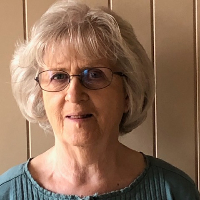
Utah · 22 yrs exp
Works with Stress, Anxiety / Addictions / Relationship +14
Works by Acceptance and Commitment Therapy (ACT) / Client-Centered Therapy
View Profile
South Carolina · 9 yrs exp
Works with Stress, Anxiety / Relationship / Family +10
Works by Acceptance and Commitment Therapy (ACT) / Client-Centered Therapy
View Profile
South Carolina · 7 yrs exp
Works with Stress, Anxiety / Family / Self esteem +7
View Profile
North Carolina · 10 yrs exp · 2 languages
Works with Stress, Anxiety / Relationship / Trauma and abuse +12
Works by Acceptance and Commitment Therapy (ACT) / Attachment-Based Therapy
View Profile
South Carolina · 5 yrs exp
Works with Stress, Anxiety / Addictions / Self esteem +13
Works by Acceptance and Commitment Therapy (ACT) / Client-Centered Therapy
View Profile
South Carolina · 39 yrs exp
Works with Stress, Anxiety / Grief / Depression +15
Works by Acceptance and Commitment Therapy (ACT) / Client-Centered Therapy
View Profile
Georgia · 10 yrs exp
Works with Stress, Anxiety / Addictions / Sleeping +12
Works by Acceptance and Commitment Therapy (ACT) / Client-Centered Therapy
View Profile
South Carolina · 8 yrs exp
Works with Stress, Anxiety / Family / Anger +10
View Profile
South Carolina · 30 yrs exp
Works with Stress, Anxiety / Addictions / Relationship +15
Works by Client-Centered Therapy / Cognitive Behavioral Therapy (CBT)
View Profile
South Carolina · 5 yrs exp
Works with Stress, Anxiety / Relationship / Self esteem +13
View Profile
Ohio · 10 yrs exp
Works with Stress, Anxiety / Relationship / Family +13
View Profile
South Carolina · 25 yrs exp
Works with Stress, Anxiety / Relationship / Family +13
View Profile
South Carolina · 8 yrs exp
Works with Stress, Anxiety / Family / Grief +6
Works by Attachment-Based Therapy / Cognitive Behavioral Therapy (CBT)
View Profile
South Carolina · 30 yrs exp
Works with Stress, Anxiety / LGBT / Parenting +8
View Profile
South Carolina · 9 yrs exp
Works with Stress, Anxiety / Addictions / Anger +16
Works by Acceptance and Commitment Therapy (ACT) / Cognitive Behavioral Therapy (CBT)
View Profile
South Carolina · 26 yrs exp
Works with Stress, Anxiety / Parenting / Self esteem +2
View Profile
South Carolina · 6 yrs exp
Works with Stress, Anxiety / Family / Trauma and abuse +12
View Profile
South Carolina · 35 yrs exp
Works with Stress, Anxiety / Parenting / Self esteem +14
Works by Client-Centered Therapy / Cognitive Behavioral Therapy (CBT)
View Profile
South Carolina · 21 yrs exp
Works with Relationship / Family / Parenting +13
Works by Client-Centered Therapy / Cognitive Behavioral Therapy (CBT)
View Profile
South Carolina · 40 yrs exp
Works with Stress, Anxiety / Relationship / Parenting +5
Works by Acceptance and Commitment Therapy (ACT) / Client-Centered Therapy
View ProfileWhen you see the LISW-CP designation it indicates that a clinician holds an advanced social work degree and has met state requirements to practice clinical social work independently. Typically that starts with a master of social work or equivalent graduate degree, followed by a period of supervised clinical experience under a licensed clinical social worker or another authorized supervisor. After completing required supervised hours you will often see candidates take a state clinical examination and apply for independent licensure, which grants the ability to provide clinical psychotherapy and related services without direct supervision.
Licensing rules vary by state, so the specific number of supervised hours, exam content, and title details can differ. The LISW-CP credential reflects state approval for clinical practice in the jurisdiction that issued the license. Because licensure is governed at the state level, a LISW-CP credential signals that a clinician met that particular state’s educational and experiential standards for clinical social work.
A LISW-CP is authorized to perform a wide range of clinical activities that center on assessment, diagnosis, treatment planning, and psychotherapy. You can expect a clinician with this credential to work with individuals, couples, families, and groups on psychological and behavioral concerns. The independent status means they can provide these services without the same supervisory oversight that preliminary social work licenses require. This often includes the ability to develop clinical formulations, coordinate care with other professionals, and document treatment goals and progress.
Earlier-stage social work licenses commonly require ongoing supervision and limit the scope of unsupervised clinical work. Nonclinical social work licenses may focus on case management, community resource coordination, or policy roles rather than psychotherapy. The LISW-CP designation specifically indicates clinical authorization, which differentiates these clinicians from peers who work in nonclinical settings or who have not completed clinical licensure requirements.
Therapists holding a LISW-CP credential work across many areas of practice. If you are seeking support for ADHD you may find clinicians who describe experience with attention and executive functioning differences, organizational skills, and strategies for daily routines. Many LISW-CP clinicians also list common concerns such as anxiety, depression, relationship challenges, life transitions, parenting, and stress related to work or school. These clinicians may work with children, adolescents, adults, older adults, couples, and families, depending on their focus.
Different LISW-CP therapists describe their clinical approach in varied ways. Some may list cognitive behavioral therapy among their approaches, while others may reference family systems perspectives, strengths-based social work, or trauma-informed strategies. When reading profiles you will see phrasing like "therapists who list EMDR among their approaches" as a way to note that a given approach appears on a clinician’s profile without asserting formal certification. Use those descriptions to gauge whether a clinician’s reported methods align with the kind of work you want to do.
If you want to confirm a LISW-CP credential the most reliable place to start is the state licensing board that issues social work licenses in the clinician’s state. Most boards provide an online license lookup where you can enter a clinician’s name or license number to view the current status, expiration date, and any recorded disciplinary actions. This lookup is the official record and will show whether the license is active in that jurisdiction.
It is reasonable to ask a clinician for their license number or the name of the state board that issued the license so you can verify it independently. You can also inquire about the clinician’s educational background, the nature of their supervised clinical experience, and how long they have held clinical licensure. Verifying through the licensing board and asking straightforward questions gives you factual information about credential status without relying on claims in a profile.
Choosing a LISW-CP clinician means selecting someone who has demonstrated graduate-level social work education plus clinical experience and state authorization to practice psychotherapy independently. Many clients value social work clinicians for their emphasis on social context - including family, community, and systems - and for the tendency to combine therapeutic techniques with practical resource coordination. If your concerns involve navigating systems such as schools, workplaces, or community services, you may find a LISW-CP’s background especially relevant.
Start by identifying the qualities that matter most to you, such as experience with ADHD across the lifespan, familiarity with specific age groups, cultural competence, or language skills. Read clinician profiles for reported approaches and areas of focus, noting phrasing that indicates experience rather than asserted certifications. When you reach out for an initial conversation, ask how the clinician typically works with goals, how they measure progress, and how they tailor interventions to your priorities. Pay attention to how comfortable you feel communicating with the clinician and whether their described approach aligns with how you prefer to work. Consider logistical factors such as session length, fees, and whether they list insurance or payment options, and make sure those practical details fit your needs.
Finding the right LISW-CP therapist is a personal process that combines credential verification with judgment about fit and approach. Use state licensing resources to confirm credential status, review profiles for reported experience with ADHD and related concerns, and engage in a preliminary conversation to assess rapport and working style. By focusing on both clinical qualifications and personal fit you give yourself the best chance of finding a clinician who can support your goals effectively.